

Not sure what kind of bike is right for you? You’re not alone — with so many types of bikes available today, it can be hard to know where to start. Whether you’re after the best commuter bike for city rides, something more adventurous for weekend trails, or the ultimate electric bike upgrade, we’re here to help.
With a little guidance, some handy bike comparison charts, and no-nonsense advice, picking the right ride becomes a lot less confusing — and way more exciting.
What Type of Bike Should I Get?
The best bike for you depends on how you plan to use it. Here’s a quick look at where you’ll ride — and what kind of bike suits that purpose best.
| Riding Environment | Bike Types |
|---|---|
| City streets, paved roads | Road bikes, hybrid bikes, electric bikes |
| Gravel paths, unpaved trails | Hybrid bikes, gravel bikes, electric bikes |
| Off-road & rugged trails | Mountain bikes, electric bikes |
| Space-saving while travelling | Folding bikes |
Think about your most common use case — commuting, fitness, recreation, or exploring — and let that guide your decision.
Bike Types Explained
Bikes are divided into different types based on where and how you ride. The main categories are road, mountain, hybrid, and special bikes — each designed with unique features to match specific needs. Let’s explore what makes each one different.
Road Bikes

Road Bikes (Standard)
Road bikes are designed for speed and efficiency on paved surfaces. They have lightweight frames, thin tires, and drop handlebars, making them ideal for long-distance rides, racing, or commuting. Their aerodynamic position and precision gearing are perfect for smooth roads but less suited for rough or unpaved paths.
Endurance Bikes
Endurance bikes are designed with added comfort features, making them gentler on the body than traditional road bikes. They’re great for long-distance rides, gran fondos (long-distance, mass-participation cycling event), or all-day adventures. With slightly wider tires and vibration-damping frames, they balance speed and comfort for serious cyclists.
Gravel Bikes
Gravel bikes are built to handle mixed terrain, from smooth paved roads to unpaved trails and loose gravel terrain. They feature wider tires, disc brakes, and a more rugged frame than road bikes. Ideal for adventurous riders who like exploring backroads or taking on varied terrain with confidence.
Touring Bikes
Touring bikes are designed for carrying heavy loads over long distances. They have sturdy frames and mounts for racks and panniers. Their durability and comfort make them perfect for extended trips or bikepacking adventures.
Mountain Bikes
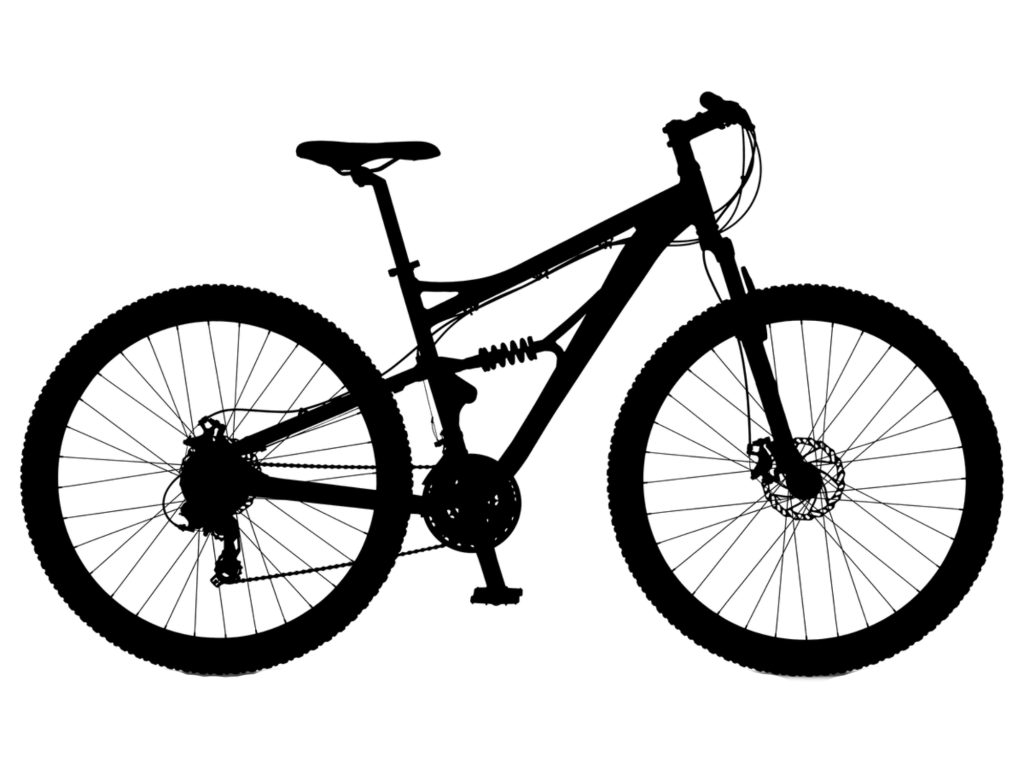
Mountain bikes are built for off-road adventures, featuring wide knobby tires and suspension systems designed to handle rough terrain like rocks, roots, and steep trails.
Unlike road bikes, they prioritize durability and control over speed, featuring flat handlebars for better steering and lower gear ranges for climbing hills. Their sturdy construction and shock-absorbing features make them ideal for trails, dirt paths, and technical descents where stability and traction are key.
Trail Bikes
Trail bikes are the all-arounders of the mountain bike world. They handle a variety of terrains with balanced suspension, wider tires, and responsive gearing. Perfect for riders who want versatility for everything from casual trails to challenging climbs and descents.
Cross-Country Bikes
Cross-country (XC) bikes are lightweight and designed for efficiency on long trails and varied terrain. They excel at climbing and covering distances quickly, making them ideal for fitness-focused riders and endurance racers. These bikes prioritize speed and agility over heavy-duty suspension.
Fat Bikes
Fat bikes feature oversized tires designed for soft terrain like sand, snow, and mud. Their wide, low-pressure tires provide exceptional stability and grip. They’re a fun and unique option for riders looking to explore challenging and unconventional surfaces.
Downhill Bikes
Downhill bikes are built for high-speed descents and rugged terrain. With heavy-duty frames, long-travel suspension, and powerful brakes, they’re made for adrenaline junkies tackling steep slopes and extreme obstacles. They aren’t great climbers but dominate on the way down.
Hybrid Bikes
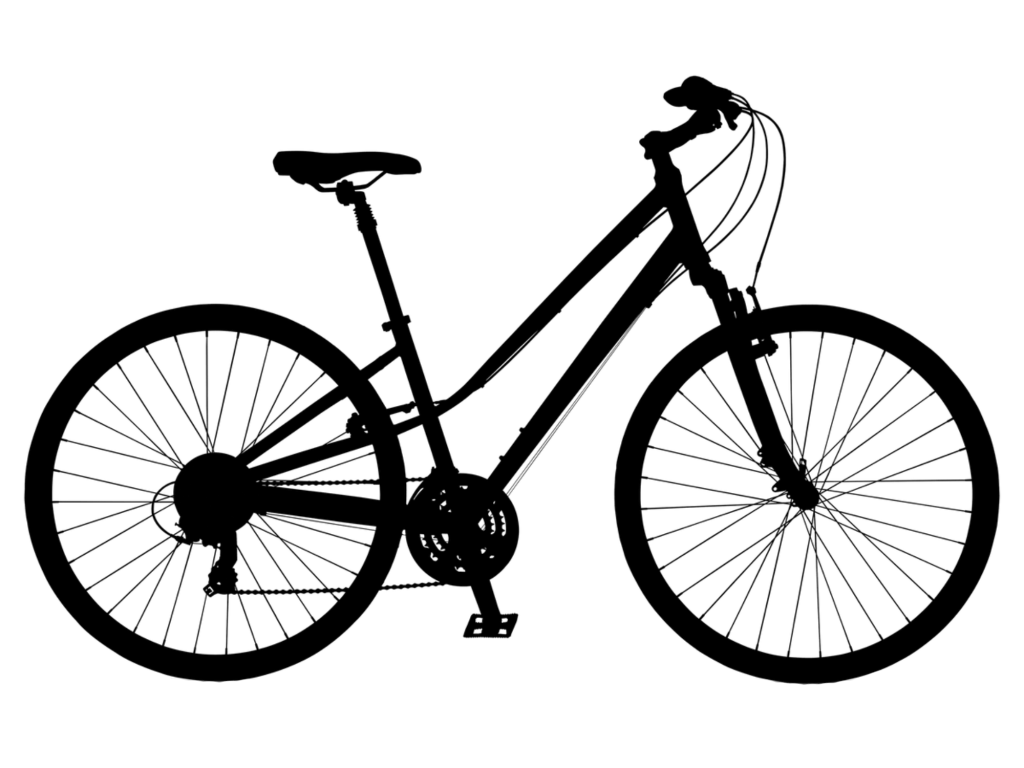
Hybrid bikes combine the upright comfort of mountain bikes with the lightweight efficiency of road bikes. They feature flat handlebars, medium-width tires, and a relaxed geometry that suits casual and recreational riding. Ideal for commuting, bike paths, and weekend rides, they’re user-friendly and versatile.
Fitness Bikes
Fitness bikes are optimized for efficient workouts and faster riding on paved paths. They usually have a lightweight frame, responsive gearing, and narrow tires for less rolling resistance. Great for getting in shape, commuting at a quicker pace, or weekend fitness rides. They’re a good alternative if you want road bike speed with flat-bar comfort.
City Bikes
City bikes are built specifically for urban environments. With features like built-in fenders, chain guards, lights, and racks, they’re practical and low-maintenance for short trips and daily commutes. Most city bikes have an upright riding position and step-through frames for ease of use. They prioritize simplicity, style, and comfort over performance.
Comfort Bikes
Comfort bikes are focused entirely on a smooth, easy ride. They come with plush saddles, wide tires, and upright handlebars, often with suspension forks or seat posts to absorb bumps. Perfect for flat terrain and relaxed rides around the neighborhood or park. These are ideal for riders who want maximum ease and no pressure.
Special Bikes

Cruiser Bikes
Cruiser bikes are built for leisure and style, featuring wide seats, balloon tires, and a relaxed, upright riding position. They’re perfect for casual rides along boardwalks or parks. With a focus on comfort and aesthetics, these bikes are easy to ride and maintain.
Cargo Bikes
Cargo bikes are designed to carry heavy loads or multiple passengers. They come with extended frames, built-in racks, or cargo boxes, making them ideal for family outings or errands. These bikes prioritize practicality and stability over speed.
Folding Bikes
Folding bikes are compact and convenient, designed for easy storage and transport. They’re perfect for urban commuters who need to combine biking with public transit or fit their bike into small living spaces. Despite their small size, many folding bikes offer impressive performance
Regular Bike or Electric Bike?
Today, most bike categories offer electric versions, so it’s worth taking a moment to consider whether an e-bike is the right fit for your needs. Electric bikes (or e-bikes) are growing in popularity for good reason — they make cycling easier, more enjoyable, and accessible to a wider range of riders.
If you’re curious whether an electric bike is right for you, check out our guide: Why Buy an Electric Bike?
Choosing the Right Bike Size
Getting the right bike size is crucial for both comfort and performance. Your bike frame size should match your height, allowing for better control and a more enjoyable ride. Most bike brands offer detailed size charts online, making it easy to select the right size before you buy.
If you’re between sizes, look for bikes with adjustable seat posts or handlebars for a customizable fit.
